

Electric Vehicles (EVs) are often presented as a climate solution, but the reality is more nuanced. They can reduce emissions, yet they are not a standalone fix for environmental problems. Several structural, technological, and systemic factors explain why EVs alone won’t save the planet.
EVs produce zero tailpipe emissions, but their true carbon footprint depends on how electricity is generated.
In regions powered heavily by coal or natural gas, EV charging can indirectly produce substantial emissions.
Lifecycle analyses show EVs are usually cleaner than gasoline cars over time, but the advantage shrinks when grids are fossil-fuel intensive. Decarbonizing electricity grids matters more than vehicle type alone.
EVs shift emissions from the tailpipe to the power plant.
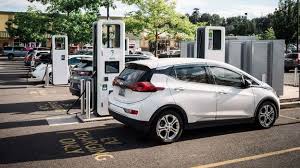
– Resource Constraints and Geopolitics:
Scaling EV adoption globally requires massive mineral extraction.
Challenges:
* Limited known reserves of key materials
* Concentration of supply chains in a few countries
* Ethical issues (e.g., labor conditions in mining regions)
* Potential future shortages driving environmental exploitation
This creates a paradox: solving one environmental problem can intensify another.
– Battery Production Has Environmental Costs:
Lithium-ion batteries require mining and processing of materials such as:
* Lithium
* Cobalt
* Nickel
* Graphite
* Environmental concerns include:
* Habitat destruction
* Water depletion (especially lithium brine extraction)
* Toxic waste and chemical runoff
* High energy consumption during manufacturing
Battery production can account for 30–50% of an EV’s lifetime emissions upfront before the vehicle is even driven.
– Cars Themselves Are the Problem:
Even if every car were electric, major environmental issues remain:
* Urban sprawl
* Traffic congestion
* Road infrastructure expansion
* Land use change
* Microplastics from tire wear (a major pollution source)
* Particulate pollution from brakes and road dust
EVs reduce exhaust emissions but do not solve car dependency.
Transportation sustainability depends heavily on:
* Public transit
* Walkable cities
* Cycling infrastructure
* Urban planning
– Slow Fleet Turnover:
There are over 1.4 billion vehicles globally.
Even with rapid EV adoption:
Gasoline cars will remain on roads for decades
Manufacturing new EVs also creates emissions
Scrapping functional vehicles early creates waste
The transition timeline matters. Climate change requires faster emission cuts than fleet replacement alone can deliver.
Vehicle Size and Consumption Trends:
Many EVs are large SUVs or trucks.
Problems:
* Larger batteries require more materials
* Heavier vehicles increase tire pollution
* Energy consumption per mile rises with vehicle weight
* Manufacturing emissions increase
Replacing small gasoline cars with large electric SUVs can erase much of the climate benefit.
– Induced Demand and Rebound Effects:
Efficiency improvements sometimes lead to increased usage.
Examples:
* Cheaper operating costs encourage more driving
* Ride-hailing fleets increase vehicle miles traveled
* Delivery logistics expansion increases transport demand
Total energy consumption can rise even when individual vehicles are cleaner.
– The Real Role of EVs:
EVs are best understood as one tool in a broader decarbonization portfolio, not a silver bullet.
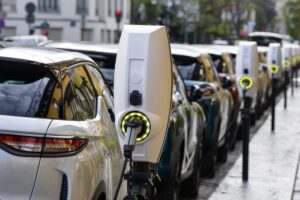
They work most effectively when combined with:
* Renewable electricity
* Public transportation expansion
* Compact urban design
* Reduced vehicle ownership
* Battery recycling systems
* Smaller, lighter vehicles
EVs can significantly reduce transportation emissions compared with gasoline cars, but they don’t eliminate environmental impact because the core issue isn’t just the engine but it’s energy systems, materials, infrastructure, and consumption patterns.
– Battery Disposal and Recycling Challenges:
Recycling technology is improving, but Many batteries still end up stored or discarded.
* Recycling processes are energy-intensive
* Infrastructure is not yet globally mature
Long-term environmental outcomes depend heavily on circular economy systems that are still developing.
– EVs Address Climate — Not All Planetary Boundaries:
Climate change is only one environmental dimension.
EV adoption does little to solve:
* Biodiversity loss
* Deforestation
* Overconsumption
* Waste generation
* Industrial pollution
* Urban land degradation
Planetary sustainability requires systemic economic changes, not just technology substitution.
Follow us for updated news, articles, and videos. Read more on http://www.dawentsit.com/ #Technology #DawentsIT #TechnologyNews #Tech #EV #AllThingsTechnologyNews #AllThingsTechnologyNewsToday #WeInspireToDeliver


