
Hey, Tech enthusiasts! Your Daily Dose Of Tech This Wednesday is here @DawentsIT …We Inspire To Deliver!
Your Daily Dose Of Technology News – September 16, 2026.
1. Google, NVIDIA And Emerald AI Launch AI Energy Management Alliance:
An important infrastructure story today involves the enormous amount of electricity consumed by AI data centers.
Google, NVIDIA and Emerald AI have launched the AI Energy Management Alliance, bringing together companies from the AI and energy industries. The coalition is designed to make AI data centers more flexible in how they consume electricity.
The basic idea is relatively simple:
– AI data centers don’t always need to consume exactly the same amount of electricity at every moment.
If electricity demand on a regional grid becomes extremely high, participating data centers could potentially reduce or shift their power consumption. When grid conditions improve, they could increase consumption again.
Google has already committed to arrangements intended to reduce up to 1 gigawatt of demand during peak periods.
AI is creating a new infrastructure problem. Training and operating large AI models requires enormous computing capacity, which means:
– More GPUs to more servers to more data centers to more electricity to more pressure on power grids.
The alliance therefore isn’t just an AI initiative. It is also an attempt to solve one of the biggest physical limitations facing AI expansion.
If flexible data centers become a practical reality, they could potentially make it easier for utilities to connect new AI facilities without requiring as much immediate grid infrastructure expansion.
In Other News:
2. Threads Adds More Tools For Podcasters And Creators:
Meta is expanding Threads with features designed to make the platform more useful for podcast creators. The new tools include ways for podcasters to promote shows and reach listeners, continuing Threads’ gradual expansion beyond simple text-based social networking.
The broader strategy appears to be turning Threads into a more complete creator platform, rather than leaving it primarily as an alternative to X.
For publishers and creators, this could make Threads more useful for distributing content, building audiences and directing users toward longer-form media.
3. Meta Is Reportedly Preparing Camera-Free Smart Glasses:
Meta is also reportedly preparing another pair of smart glasses that would remove the camera. The reported move is notable because Meta’s existing Ray-Ban-style smart glasses have made cameras one of their defining capabilities. A camera-free model could address some privacy concerns while concentrating more heavily on audio, AI assistance and other wearable functions.
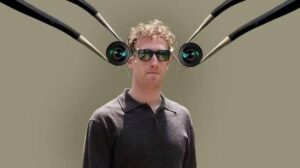
If launched, this could broaden the smart-glasses market toward consumers who want AI assistance without necessarily carrying a camera on their face.
4. Samsung Expands One UI 9 To More Galaxy S26 Devices:
Samsung is expanding One UI 9 beyond its newest foldable phones to the broader Galaxy S26 family. The update brings some features originally introduced on Samsung’s foldable devices to additional Galaxy phones, including My FanCam and other software capabilities.
This reflects Samsung’s broader strategy of using software to make features developed for premium devices available throughout its flagship ecosystem.
5. Boox Launches New Android-Powered E Ink Devices:
Boox has unveiled three new E Ink devices, including the Boox Palma 3, which features an aluminum build and stylus support.
The new devices run Android 16 and come with Google Play Store access, giving users access to Android applications while retaining the eye-friendly characteristics of E Ink displays.
The products demonstrate that E Ink devices are continuing to move beyond traditional e-readers toward lightweight productivity and communication tools.
Odds And Ends:
6. Sony Introduces New PlayStation Pulse Wireless Headsets:
Sony has announced new PlayStation Pulse and Pulse Edge wireless headsets, featuring planar-magnetic driver technology.

Planar-magnetic audio technology is traditionally associated with higher end headphones and is designed to provide detailed sound reproduction.
The move gives Sony another way to differentiate its PlayStation accessories as gaming increasingly becomes an audiovisual experience rather than simply a console and controller ecosystem.
7. Apple’s iPhone 18 Pro Introduces Technology Designed To Prove Photos Are Genuine:
Apple’s newly launched iPhone 18 Pro is attracting attention for a camera related feature called Apple Reference Image.
The technology is designed to provide stronger evidence about the origin and authenticity of photographs. Rather than simply relying on traditional metadata, Apple is positioning the feature as a way to establish that an image came directly from a compatible iPhone camera and has not been manipulated.
This arrives at a time when generative AI can create increasingly convincing photographs and alter existing images.
The development could become particularly important for journalism, social media, legal evidence and other situations where people need to distinguish between an actual camera photograph and an AI-generated or heavily manipulated image.
8. OpenAI Reportedly Expands Into Smartphone Camera Technology:
Another major AI development today is a report that OpenAI is acquiring smartphone camera technology company Glass Imaging for around $300 million.
The move would potentially give OpenAI greater expertise in camera hardware and computational photography, adding another interesting dimension to its ambitions beyond traditional AI software. TechCrunch lists the acquisition among today’s major AI developments.
If the deal develops into hardware products, it could eventually contribute to a broader strategy involving AI-native consumer devices.
9. Snap Is Unveiling Its Next-Generation AR Specs:
CEO Evan Spiegel is demonstrating the company’s next-generation Specs smart glasses, with the company positioning them around AI assistance, productivity and augmented reality experiences.
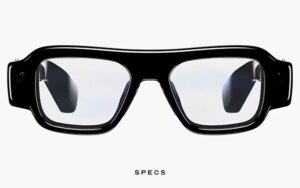
Unlike ordinary smart glasses that primarily add cameras, microphones and voice assistants, Snap’s longer-term vision involves placing digital information directly into the user’s field of view.
This puts Snap into increasingly direct competition with companies developing AI-powered wearable devices and smart glasses.
10. AI Data Centers Are Becoming An Electricity Story:
The growth of AI infrastructure is beginning to affect sectors far outside traditional technology. The new AI Energy Management Alliance is essentially acknowledging that electricity availability could become a limiting factor for AI expansion.
The problem is especially significant because AI companies are building increasingly large data centers.
These facilities can require enormous amounts of electricity, and utilities may need to invest heavily in:
* Power generation
* Transmission lines
* Substations
* Grid storage
* Cooling infrastructure
* Backup power
* Renewable energy
* Natural-gas generation
This creates a fascinating new relationship. The future of AI depends partly on the future of the electrical grid.
Summary:
Technology news today is shaping up as an important day for the intersection of AI, smartphones and wearable computing. The iPhone 18 Pro and new AI-powered devices are pushing technology toward more intelligent and context aware hardware, while the simultaneous rise of automated scams and increasingly capable AI systems is making security, authenticity and regulation just as important as raw technological capability.
For Summaries Or Deep-Dives On Any Tech Trends, Contact Us At DawentsIT Or Visit Www.Dawentsit.Com. Subscribe To DawentsIT For More Tech News And Videos. Stay Inspired, And We Deliver! Read more on http://www.dawentsit.com/blog-2/ #Technology #DawentsIT #TechnologyNews #Tech #Google #NVIDIA #EmeraldAI #Threads #Meta #DailyDoseOfTech #AllThingsTechnologyNews #WeInspireToDeliver


